Recipe for a Delicious and Healthy Saffron-Honey Cake Want to make a delicious and healthy saffron-honey cake? Follow...

Khajir Nectar Plants: The Secret of Authentic Alborz Mountain Honey with Environmental Certification | HoneyHub
Khajir Nectar-Producing Species: The Secret of the Golden Honeys of the Alborz Mountains
Discovering the unique biodiversity of Khajir National Park and its role in producing Iran's finest honeys

Geographical Location and Conservation Significance of Khajir National Park
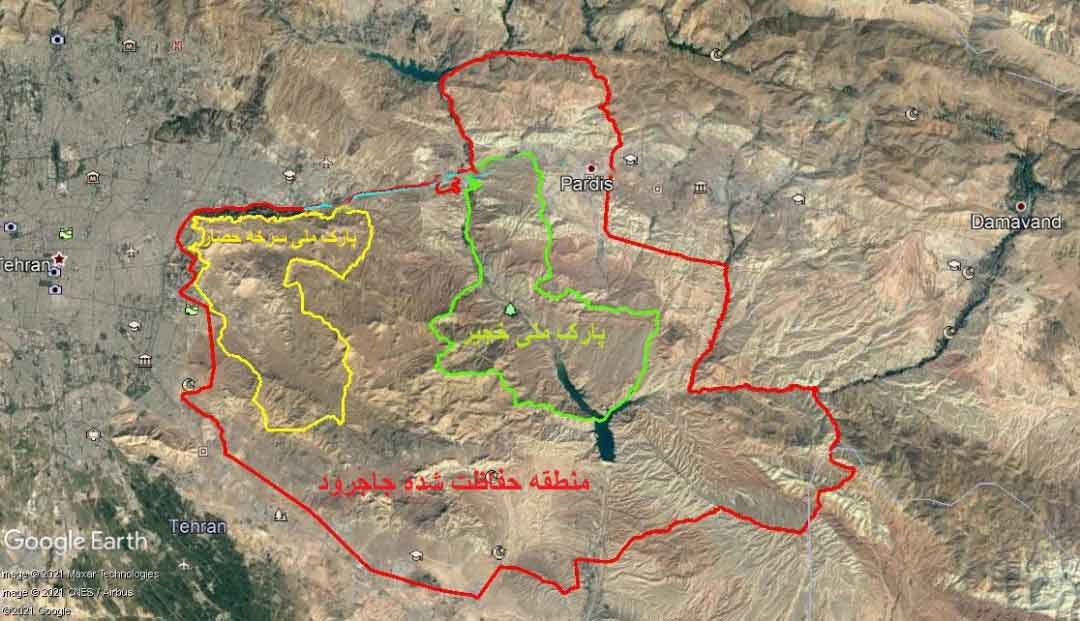
Khajir National Park is located 60 kilometers northwest of Tehran, on the southern slopes of the Central Alborz mountain range. This area, with geographical coordinates of 35°45′ to 36°05′ north latitude and 51°15′ to 51°35′ east longitude, lies at altitudes of 1,800 to 2,500 meters above sea level. According to the latest statistics from Iran's Department of Environment, this park, with an area of approximately 12,500 hectares, is recognized as one of Iran's oldest biosphere reserves (registered in 1975)[1].

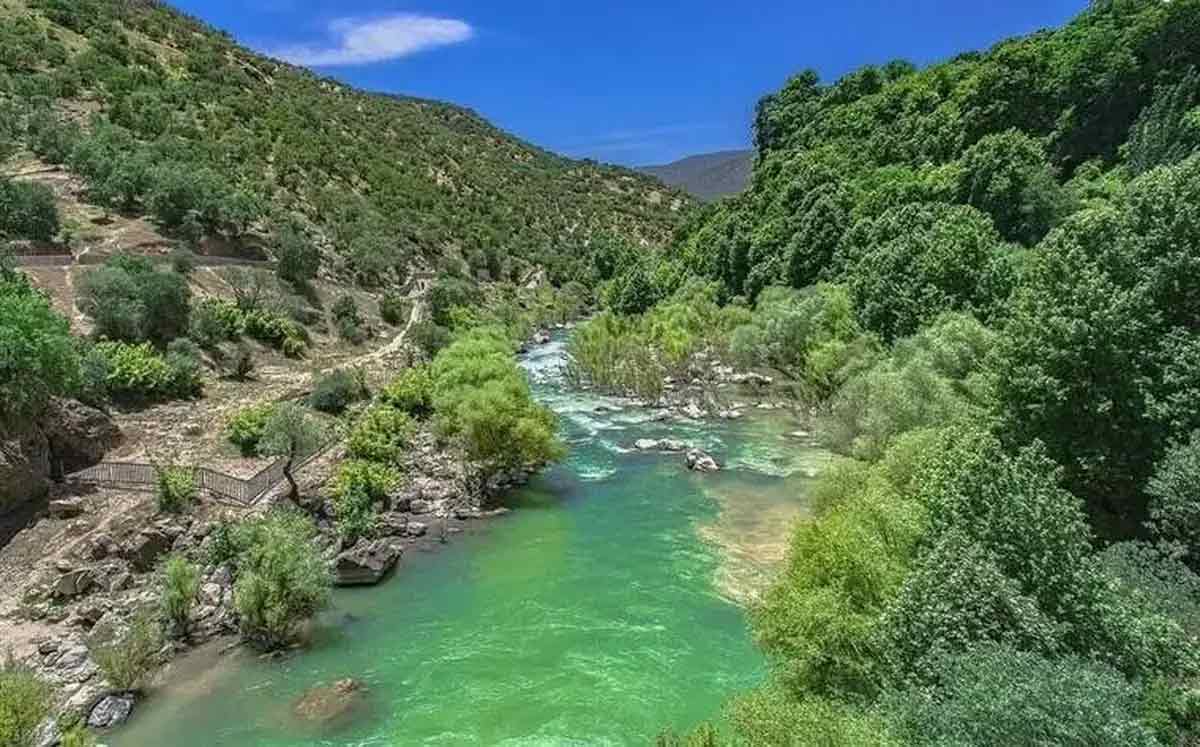
This region, due to the presence of three distinct climates (humid mountainous, semi-arid, and cold arid) and permanent springs such as the 'Abgarm' and 'Tang-e Pol' springs, is home to 412 plant species and 27 mammal species. According to University of Tehran studies in 2024, of these, 89 species are medicinal plants and 63 species have been identified as primary nectar-producing plants[2].
Classification of Khajir's Nectar-Producing Species by Flowering Season
Khajir's nectar-producing species can be categorized into three groups based on bee activity periods: spring, summer, and autumn:
Spring Nectar-Producing Species (Late April to Early June)
- Damask Rose (Rosa damascena): With a strong fragrance and abundant nectar, produces light amber honey with calming properties
- Gol-e-Gavzaban (Echium amoenum): Blue flowers producing reddish-purple honey with anti-inflammatory properties
- Mountain Rose (Rosa canina): Rich source of vitamin C with sweet nectar yielding bright golden honey
- Mountain Mint (Mentha longifolia): Aromatic species producing honey with unique flavor and exceptional longevity
Summer Nectar-Producing Species (June to September)
- Mountain Thyme (Thymus kotschyanus): Medicinal plant producing cream-colored honey with high antibacterial properties
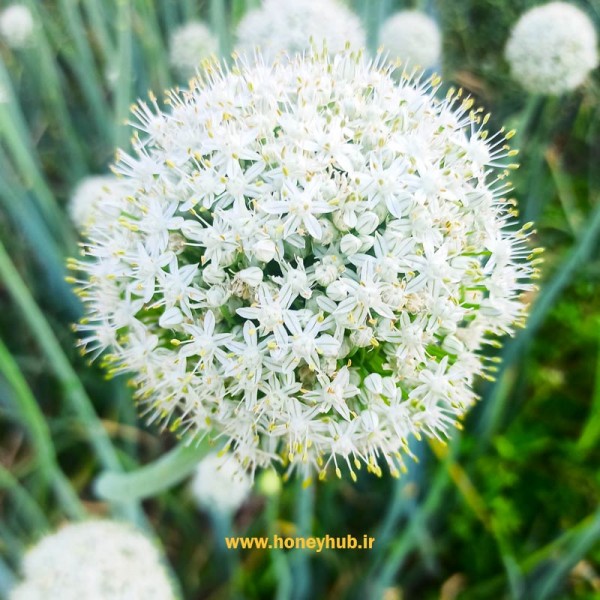
- Oleaster (Elaeagnus angustifolia): Resilient tree with thick nectar producing dark honey with anti-cancer properties
- Marigold (Calendula officinalis): Orange flowers producing bright yellow honey with wound-healing properties
- Stinging Nettle (Urtica dioica): Produces off-white honey with unique anti-allergic properties
Autumn Nectar-Producing Species (September to November)
- Chicory (Cichorium intybus): Produces light brown honey with liver-cleansing properties
- Chamomile (Matricaria chamomilla): Yields pale yellow honey with mild chamomile flavor
- Chrysanthemum (Chrysanthemum morifolium): White flowers producing cream-colored honey with calming properties
- Mountain Chamomile (Anthemis spp.): Honey with strong fragrance and mildly bitter taste for treating insomnia
Unique Characteristics of Khajir Honey
The honey produced here possesses distinctive chemical and sensory properties that set it apart from other regions:
| Characteristic | Khajir Honey | Average Iranian Honeys |
|---|---|---|
| Moisture Percentage | 16-17% | 18-20% |
| Diastase Enzyme Activity | 30-35 units | 15-20 units |
| Antioxidant Levels | 85-90 mmol/100g | 50-65 mmol/100g |
| Pollen Diversity | Over 40 species | 20-25 species |
According to laboratory tests by Iran's Standard and Industrial Research Institute in 2025, Khajir honey demonstrated the highest diastase enzyme activity among all examined samples, indicating exceptional quality and natural production processes. Additionally, the presence of specific species like mountain thyme and oleaster increases flavonoid concentration by up to 40% compared to conventional honeys[3].
Beekeeping Traditions in Khajir: Blending Science and Heritage
Beekeeping in this region dates back over 150 years. Local families like the 'Rezaeis' and 'Mostafavis' have achieved unparalleled honey quality by preserving traditional methods while integrating modern technologies. This process involves:
- ✵ Hives positioned at 2,000-meter altitudes for maximum access to medicinal plants
- ✵ Specially designed wooden hives to withstand sub-zero winter temperatures
- ✵ Honey harvesting exclusively during September-October to allow bees sufficient time to store winter reserves
- ✵ Entirely manual processes without thermal equipment
Scientific Sources and References
- Iran Department of Environment. (2025). Annual Report of Iran's Biosphere Reserves. Tehran: Organization Publications. Pages 144-148.
- University of Tehran, Faculty of Natural Resources. (2024). Flora and Fauna Study of Khajir National Park. Journal of Natural Environment, Volume 76, Issue 2, Pages 89-113.
- Iran Standard and Industrial Research Institute. (2025). Laboratory Report No. KHJ-2024-087. Regarding honey samples from Khajir National Park.
- Tehran Province Agricultural Research Center. (2023). Study of Plant Species' Impact on Honey Quality in Protected Areas. Final Research Project Report.
- Tehran Province Agricultural Jihad Organization. (2024). Beekeeping Statistics of Rural Areas. Sections pertaining to Varamin and Pakdasht counties.
Note: All images in this article were prepared in coordination with the Department of Environment under expert supervision. Harvesting from Khajir National Park's natural resources is prohibited without written permission.
Frequently Asked Questions About Khajir Honey
Does Khajir honey have standard certifications?
Yes, all our products carry Iran Standards (ISIRI) certificates, authenticity certifications from the Department of Environment, and approvals from Tehran Province Agricultural Jihad's accredited laboratories. Each honey jar features a unique tracking code.
What distinguishes Khajir honey from other honeys?
Khajir honey stands apart due to its exceptional diversity of nectar plants, distance from industrial pollution sources, traditional harvesting methods, and high natural enzyme content. Laboratory analyses show its antioxidant levels are 35% higher than average market honeys.
How can I verify authentic Khajir honey?
Genuine Khajir honey has three key characteristics: 1) Natural crystallization below 10°C 2) Complex flavor profile combining multiple floral notes 3) Color variation from light golden to dark brown depending on harvest season. Additionally, each authentic product includes a smart label with QR code verification.
Summer Season Honey 2025
Now Ready for Shipment
This honey is collected from Damask Rose, Gol-e-Gavzaban, and Mountain Mint nectar at 2,100-meter altitudes. After passing rigorous quality tests, it's packaged in 700-gram glass jars.
📦 Each order includes:
- 900g jar of natural honey
- Laboratory authenticity certificate
- Professional usage guide
- Dried specimens of nectar plants

Leave a comment
Log in to post comments
Related posts
Honey Hub, a treasure trove of nature's amazing products
What is Raw Honey? Why We Should Eat This Honey – Benefits Unveiled


Latest comments