



Explore the role of raw honey in functional nutrition. Learn about the antioxidant properties and synergy of premium...









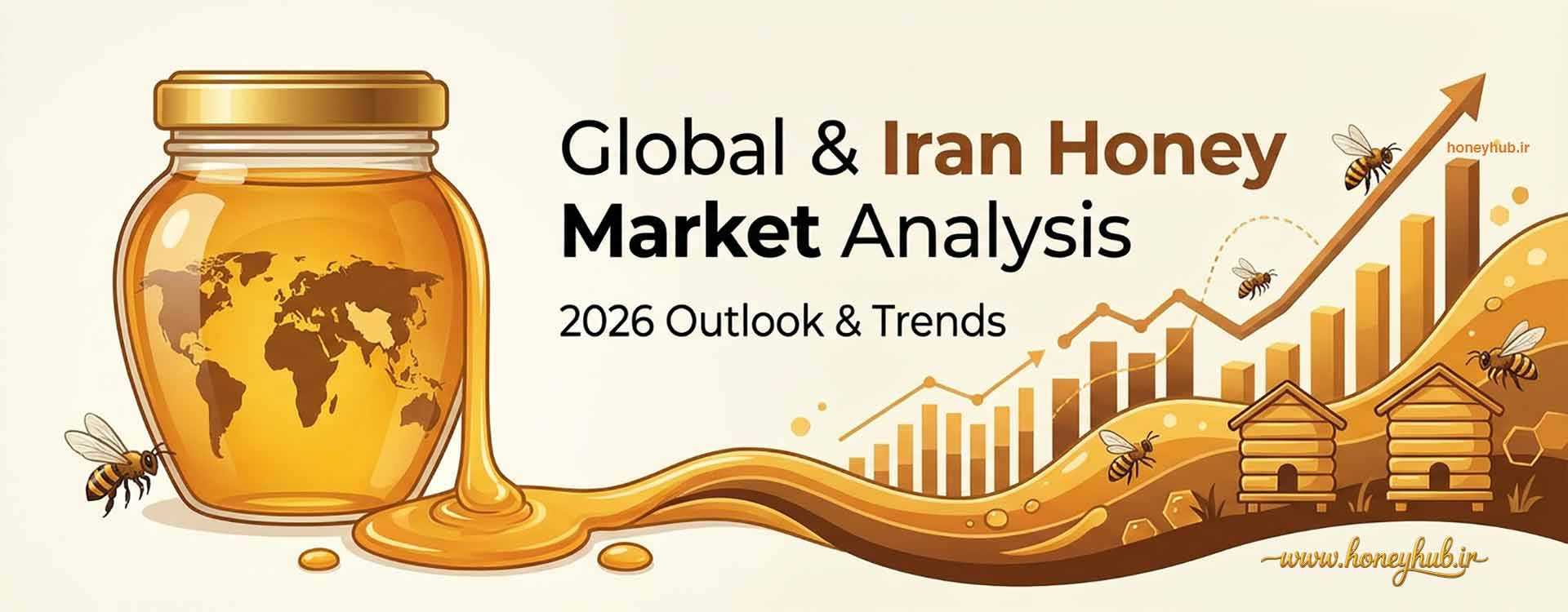
Introduction: The Strategic Importance of Honey and the Beekeeping Industry
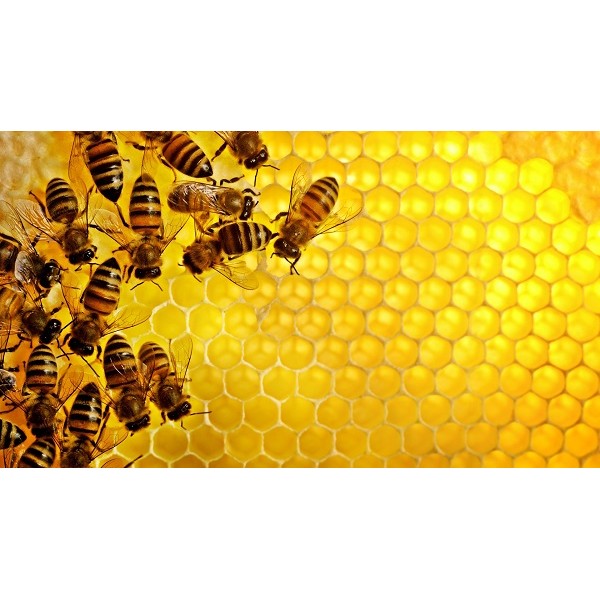
The honey bee, a remarkable insect, plays a vital role in ecosystem balance and global food security. Approximately 75% of the world's food crops, or two-thirds of the food humans consume, depend directly or indirectly on pollination by insects, particularly honey bees. The economic value of this ecosystem service is estimated to be as high as $200 billion globally, which is 25 to 143 times greater than the total value of direct hive products (honey, wax, etc.). In Iran, this value is estimated to be about 90 times the value of direct colony products. Beyond this ecological role, bee products such as honey, beeswax, propolis, and royal jelly have created global markets worth billions of dollars. Honey alone constitutes a market of nearly $9 billion, while products like royal jelly and propolis collectively form a market exceeding $2 billion. This article aims to provide a comprehensive analysis of the global honey market and Iran's position within it, examining production statistics, export trends, biological threats, regulatory challenges, and the outlook through 2026.
Part One: The Global Honey Market
The global honey market has experienced significant growth in recent years. Its size reached $8.9 billion in 2022 and is projected to grow to $12.2 billion by 2028, at a Compound Annual Growth Rate (CAGR) of 5.3%. Other estimates place the market value between $10 and $12 billion in 2024. This growth is primarily driven by increasing consumer awareness of the health benefits of honey as a natural sweetener and the rising demand for organic and healthy products.
Top Producers and Global Beekeeping Statistics
Global honey production was reported at approximately 1.88 million tons in 2020, with the number of bee colonies worldwide exceeding 94 million by 2021. China is by far the largest honey producer in the world, followed by countries such as Turkey, Iran, Argentina, and Ukraine. The continent of Asia alone produces about 49% of the world's honey, highlighting its critical role in global honey production.
| Rank | Country | Production (Thousand Tons) |
|---|---|---|
| 1 | China | 486 |
| 2 | Turkey | 96 |
| 3 | Iran | 77 |
| 4 | Argentina | 71 |
| 5 | Ukraine | 68 |
| 6 | India | 66 |
| 7 | Russia | 64 |
| 8 | Mexico | 62 |
| 9 | USA | 57 |
| 10 | Brazil | 55 |
Top Exporters: The Duality of Volume and Value
The honey export market reveals a fascinating duality: the largest exporters by volume (tons) are not necessarily the highest earners by value (dollars). This discrepancy is largely due to the type of honey exported (conventional vs. high-value, specialty honey). According to 2023 statistics, China is the world's largest exporter by volume, with over 152,000 tons, yet New Zealand, exporting only about 9,800 tons, earned nearly the same revenue.
| Rank | Exporter by Volume | Volume (Tons) | Rank | Exporter by Value | Value (Million USD) |
|---|---|---|---|---|---|
| 1 | China | 152,636 | 1 | China | 254 |
| 2 | India | 98,273 | 2 | New Zealand | 242 |
| 3 | Argentina | 73,199 | 3 | Argentina | 177 |
| 4 | Ukraine | 55,357 | 4 | India | 170 |
| 5 | Brazil | 28,563 | 5 | European Union | 157 |
This difference is starkly reflected in the average price per kilogram. The price of New Zealand's exported honey (approx. $24.6/kg) is about 15 times higher than that of China's honey (approx. $1.6/kg). The reason is New Zealand's focus on exporting high-priced, specialty Manuka honey, which we will discuss further in Part Five.
Part Two: The Iranian Honey Market: Production, Exports, and Challenges
Thanks to its unique climate diversity and rich flora (over 7,500 plant species, with about 2,000 being nectariferous), Iran is a major hub for Iranian honey production in the world. Various statistics rank Iran as the third or fourth largest global producer.
- Production: Honey production was reported at approximately 136,000 tons in the 2022-2023 period and 121,000 tons in the 2023-2024 period.
- Colony Count: The number of bee colonies in the country was nearly 11.5 million in 2022-2023 and about 11.43 million in 2023-2024.
- Per Capita Consumption: Per capita honey consumption in Iran is about 1.397 kg, which is nearly double the global average.
Despite these impressive figures, Iran's beekeeping industry faces serious challenges. A combination of threats, including drought, pests, and suboptimal management practices, has caused the average honey yield per colony to drop from around 13 kg to nearly 5 kg in recent years. This dramatic decline threatens the economic viability of beekeeping and has driven up production costs.
Iranian Honey Exports and Target Markets
Iran's honey exports represent a significant economic opportunity. In the 2023-2024 period, approximately 1,469 tons of honey, valued at around $5.6 million, were exported to 22 countries. However, this accounts for only 1-1.5% of the country's total production, while the estimated export potential is at least 5,000 tons annually.
The primary destinations for Iranian honey are neighboring countries and the Persian Gulf region. In 2022-2023, Iraq was the largest importer, accounting for 64% of exports, followed by Pakistan (7%), the UAE (7%), Azerbaijan (6%), and Turkey (5%). In 2023-2024, countries like China, Bahrain, Kuwait, Qatar, Oman, Germany, the UK, and Canada were also on the list. The main challenge remains the lack of full compliance with strict international standards and issues with packaging and branding, which are discussed in Part Four.
Part Three: Beyond Honey; The Market for Other Bee Products
The beekeeping industry is not limited to honey production. Products such as royal jelly, propolis, beeswax, and bee venom also have high economic and therapeutic value, with growing global markets.
The Global Royal Jelly Market: The Elixir of Health
The global royal jelly market was valued at approximately $1.45 billion in 2022 and is projected to grow at a CAGR of 3.9% to 5.8% through 2032. This growth is driven by rising consumer awareness of its health benefits.
- Growth Drivers: Demand for anti-aging products, growth in the dietary supplements industry, and innovation in product forms like lyophilized (freeze-dried) extracts are key market drivers.
- Key Applications: Dietary supplements form the largest market segment, followed by pharmaceuticals (with about a 44% share) and cosmetics (for anti-aging and anti-acne products).
- Leading Countries: China, producing around 4,000 tons annually, dominates over 90% of global production and exports. Japan is the world's largest consumer and importer, followed by the United States, South Korea, and European countries.
The Global Propolis Market: The Natural Antibiotic
The global propolis market was estimated to be between $650 and $680 million in 2023. It is expected to exceed $1 billion by 2032, growing at a CAGR of 3.0% to 6.5%.
- Growth Drivers: Increasing demand for natural antibiotics due to concerns about drug resistance, its popularity in skincare products, and its expanding use in oral hygiene products are major drivers.
- Key Applications: The pharmaceutical and healthcare industries are the largest application segment, with a 42.5% share. The cosmetics sector is experiencing the fastest growth, and it is also used in the food industry as a natural preservative.
- Leading Countries: Brazil (especially for green propolis) and China are the main producers. The Asia-Pacific region (including China, India, and Japan) is the largest consumer market, with over a 41% share.
Part Four: Threats, Quality Challenges, and Regulations in Key Markets
The global honey market faces a series of biological threats and regulatory hurdles. Adulteration and the production of industrial "honey" made by adding cheap syrups is one of the biggest threats to the market's credibility. These products not only lack nutritional and medicinal value but can also be harmful to health. Alongside this, environmental threats jeopardize bee populations and the sustainability of the entire industry.
Biological and Environmental Threats: A Challenge for Survival
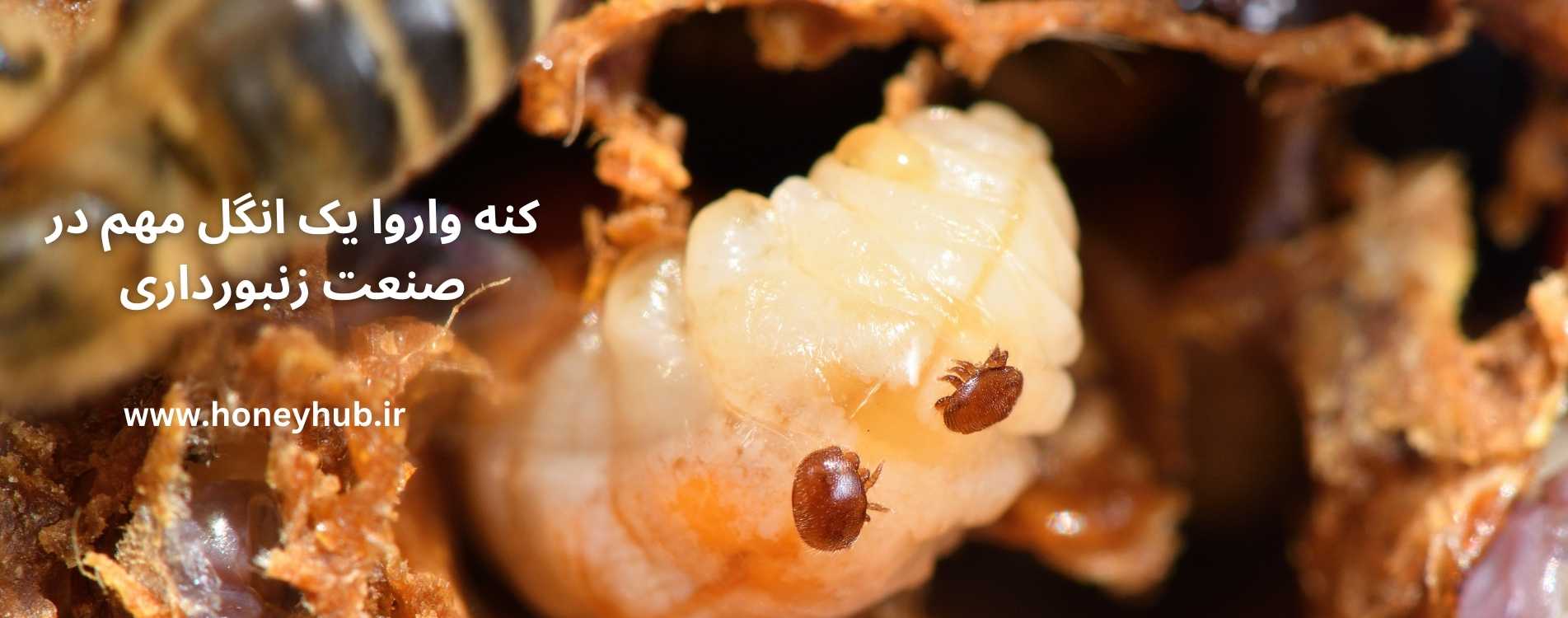
- Pests and Diseases: The Varroa destructor mite is recognized as the number one enemy of honey bees worldwide. By feeding on the bee's fat body tissue, this parasite weakens its immune system and transmits deadly viruses like the Deformed Wing Virus (DWV), ultimately leading to colony collapse. Additionally, Colony Collapse Disorder (CCD), characterized by the sudden disappearance of worker bees, is a multifactorial threat resulting from a combination of stressors like pests, pesticides, and malnutrition.
- Climate Change: Global warming puts severe pressure on bee populations through heat stress, altered flowering patterns (temporal mismatch), and reduced food sources due to drought.
- Pesticides and Habitat Loss: Widespread use of systemic pesticides like neonicotinoids disrupts bees' nervous systems, impairing their navigation and reproductive abilities. Habitat destruction and monoculture farming also weaken colony immune systems by reducing dietary diversity.
Quality Standards in the EU and USA
Honey exporters must meet stringent requirements to enter these markets, as specified in the EU Honey Directive (2001/110/EC) and FDA guidelines. Key parameters include controlling moisture (max 20%), sucrose (max 5%), HMF (max 40 mg/kg), and diastase activity (min 8 units). The most sensitive area is controlling drug residues; both markets enforce a "Zero Tolerance" policy for banned antibiotics like chloramphenicol and nitrofurans.
Import Regulations for China
As one of the largest consumer markets, China has strict regulations based on its national standard (GB 14963). The most important requirements for Iranian exporters include:
- Registration and Approval: All apiaries and exporting companies must be registered with the Iranian regulatory system and approved by the General Administration of Customs of China (GACC).
- Residue Control (MRLs): Iran is obligated to implement a national residue monitoring plan (for drugs and pesticides) and submit an annual report to China. The limit for unauthorized antibiotics like chloramphenicol is zero.
- Traceability and Hygiene: A complete traceability system from hive to final packaging is mandatory, along with assurances that bees have not foraged on toxic or genetically modified plants.
- Labeling: Labels must be in Simplified Chinese and include complete product information, country of origin, and registration number.
- Certificates: Each shipment must be accompanied by a health certificate from the Iran Veterinary Organization and a certificate of origin.
Import Regulations for Russia and the Eurasian Economic Union (EAEU)
Russia and EAEU members follow Russian national standards (GOST) and the union's technical regulations. The main honey standard is GOST 19792-2017.
- Quality Standards: This standard is stricter in some respects than Codex; for example, the maximum HMF level is set at 25 mg/kg.
- Residue Control (MRLs): Russia uses a "Positive List" for pesticides, meaning only pesticides on this list are permitted; all others are banned. Rules for antibiotics are also very strict, with a zero-tolerance limit for many substances.
- Labeling and Certification: Labels must be in Russian. Obtaining a Certificate of Conformity (GOST-R) and approval from Russia's agricultural watchdog (Rosselkhoznadzor) is mandatory for market entry.
Part Five: The Value-Added Strategy: From Manuka Honey to Iran's Treasure Trove of Honeys
As public awareness grows, the demand for natural and medicinal honey has surged. These honeys sell at much higher prices due to their special properties. The most prominent example is New Zealand's Manuka honey, which is the primary reason for the country's high export value. The success of Manuka honey is the result of its unique properties (the active compound Methylglyoxal, or MGO), geographical rarity, and a powerful branding and quality control strategy (such as the UMF rating system).

The Potential of Iranian Medicinal Honeys: A Path to Conquer Global Markets
With its incredible biodiversity, Iran has high potential to introduce its own monofloral medicinal honeys to the world and replicate the successful Manuka model. Below are a few outstanding examples:
- Sidr (Konar) Honey: Rich in phenolic compounds with strong antioxidant and antimicrobial activity. Research confirms its properties in protecting the liver and kidneys, improving wound healing, and supporting the digestive system. It is renowned in Persian Gulf countries as a physical and sexual tonic and has high potential for branding as an energy supplement.
- Thyme Honey: Known for its exceptional antibacterial and anti-inflammatory properties due to aromatic compounds like thymol and carvacrol. It is widely used to soothe coughs, sore throats, and respiratory infections and could be marketed as a nutraceutical for the cold season.
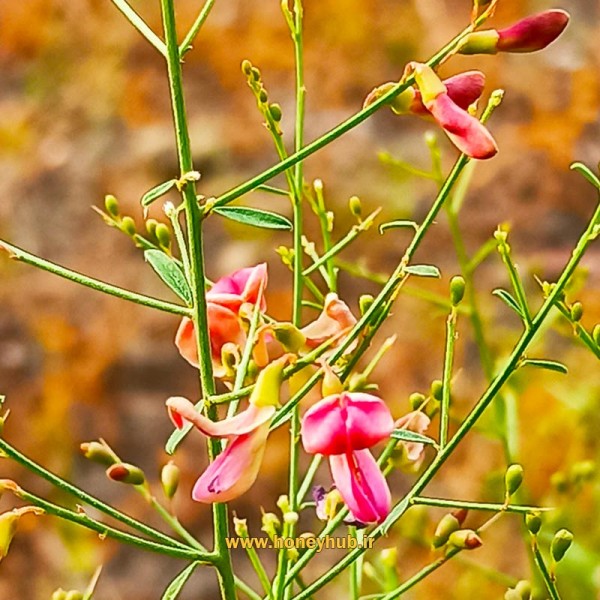
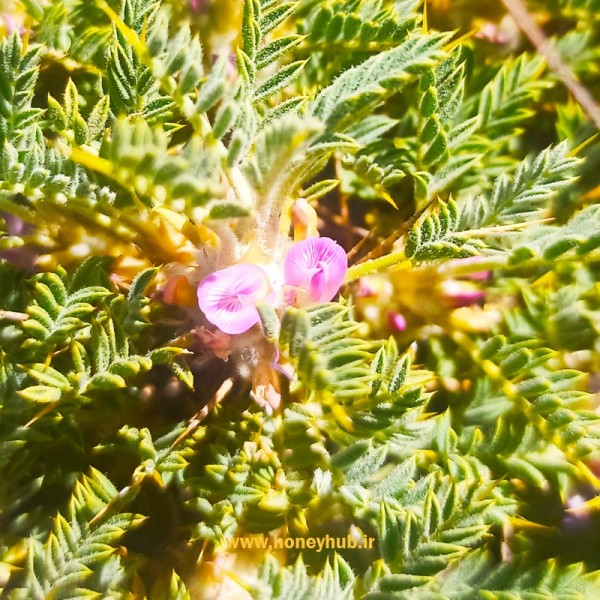
- Astragalus Honey: Recognized for aiding iron absorption to treat anemia, boosting the immune system, and reducing joint inflammation (due to its formic acid content). With its multiple benefits, it can be promoted as a "daily" and "family" honey for general well-being.
- Gaz-Angebin (Manna) Honey: This rare honey, produced from the sap of an Astragalus species, is a unique product. It is traditionally prescribed for bone pain, osteoporosis, and digestive issues and has the potential to create a luxury niche market.
A Proposed Strategy for Value-Driven Exports
To capitalize on this potential, Iran must pursue a comprehensive strategy:
- Scientific Research and Standardization: Identify and quantify the active biochemical compounds in Iran's specialty honeys and create a credible rating system (similar to UMF for Manuka).
- Targeted Branding and Marketing: Develop strong export brands focused on storytelling (climate diversity, traditional medicine) and the unique therapeutic properties of each honey for target markets like Europe and East Asia.
- Packaging and Quality Assurance: Use modern, hygienic packaging that provides consumers with complete product information and quality certifications.
- Overcoming Export Barriers: Address challenges such as the lack of unified standards, competition from adulterated honey, and obtaining international certifications for a sustainable presence in global markets.
Part Six: Market Outlook to 2026
The outlook for the global honey market through 2026 is positive, with growth expected to continue at a rate of about 5%. The main drivers of this growth are the increasing trend towards healthy lifestyles, growth in the pharmaceutical and cosmetics industries, and product innovation.
However, serious challenges threaten this growth. Biological threats such as climate change, bee diseases (especially Varroa mites and CCD), and pesticide use not only endanger production sustainability but also increase the final price for consumers by raising colony management costs (medication, supplemental feeding). For the Iranian market, future success will depend on its ability to overcome these biological threats, invest in a value-added strategy for its specialty honeys, improve branding, and navigate regulatory export barriers.
Executive Summary
This report provided a comprehensive analysis of the global and Iranian honey market with an outlook to 2026. The global honey market, valued at $8.9 billion in 2022, is expanding at a CAGR of 5.3%. While China is the largest producer by volume, New Zealand demonstrates the importance of a value-added strategy with its focus on high-priced Manuka honey. Iran, with an annual production of about 121,000 tons (2023-2024) and a top-three global ranking, exports only 1.5% of its production, indicating significant untapped potential. The beekeeping industry faces severe biological threats, including the Varroa mite, Colony Collapse Disorder (CCD), climate change, and pesticides, which have caused a sharp decline in honey yield per colony in Iran (from 13 to 5 kg). A major export barrier is compliance with strict standards in key markets like the EU, USA, China, and Russia regarding antibiotic residues and quality parameters. The future of Iran's honey industry is tied to two key strategies: 1) managing biological threats to ensure production sustainability, and 2) investing in scientific research, branding, and standardization for Iran's unique medicinal honeys (such as Sidr, Thyme, and Gaz-Angebin) to shift from volume-based to value-driven exports and claim a deserving position in the global market.

Experience the Taste of Nature with HoneyHub!
Are you looking to buy natural honey? At HoneyHub, we are committed to providing the finest quality honeys from Iran, sourced directly from dedicated beekeepers. Every drop of our honey tells the story of Iran's pristine nature.
View Products & Buy OnlineReferences
This analysis was prepared based on data extracted from the following credible sources:
- Reports from the Food and Agriculture Organization of the United Nations (FAO) and the World Bank (WITS)
- Market research reports (e.g., IMARC Group, Grand View Research, Precedence Research)
- Regulations and directives from the European Union, US FDA, China's GACC, and Russia's GOST standards
- Official statistics from Iran's Ministry of Agriculture Jihad and the Animal Science Research Institute
- Scientific and research articles on beekeeping, honey properties, and biological threats
- News agencies and economic analysis websites



Latest comments