



Explore the role of raw honey in functional nutrition. Learn about the antioxidant properties and synergy of premium...










Successful Honeybee Wintering: Strategies to Prevent Hive Loss
Introduction
Wintering is one of the fundamental challenges and problems for beekeepers, playing a crucial role in the future and economics of beekeeping operations. Many beginners and even experienced beekeepers may make mistakes that leave their hives empty of bees, ultimately facing empty hives.
Seeing this scene is painful for a beekeeper who loses their children, meaning their bees. Don't worry - to prevent and avoid this unfortunate event, by adopting certain measures and precautions, not only can this incident be prevented, but we can also have strong and lively hives for spring.
The reasons for honeybee losses vary, but typically bees die due to reasons including lack of or inability to find food in cold seasons (death from malnutrition), inadequate breeding management, pest and disease attacks, mistakes in hive placement, etc.
We will share some experiences and scientific and technical information with you so you can have a worry-free and anxiety-free breeding experience. Please stay with us until the end of the material.
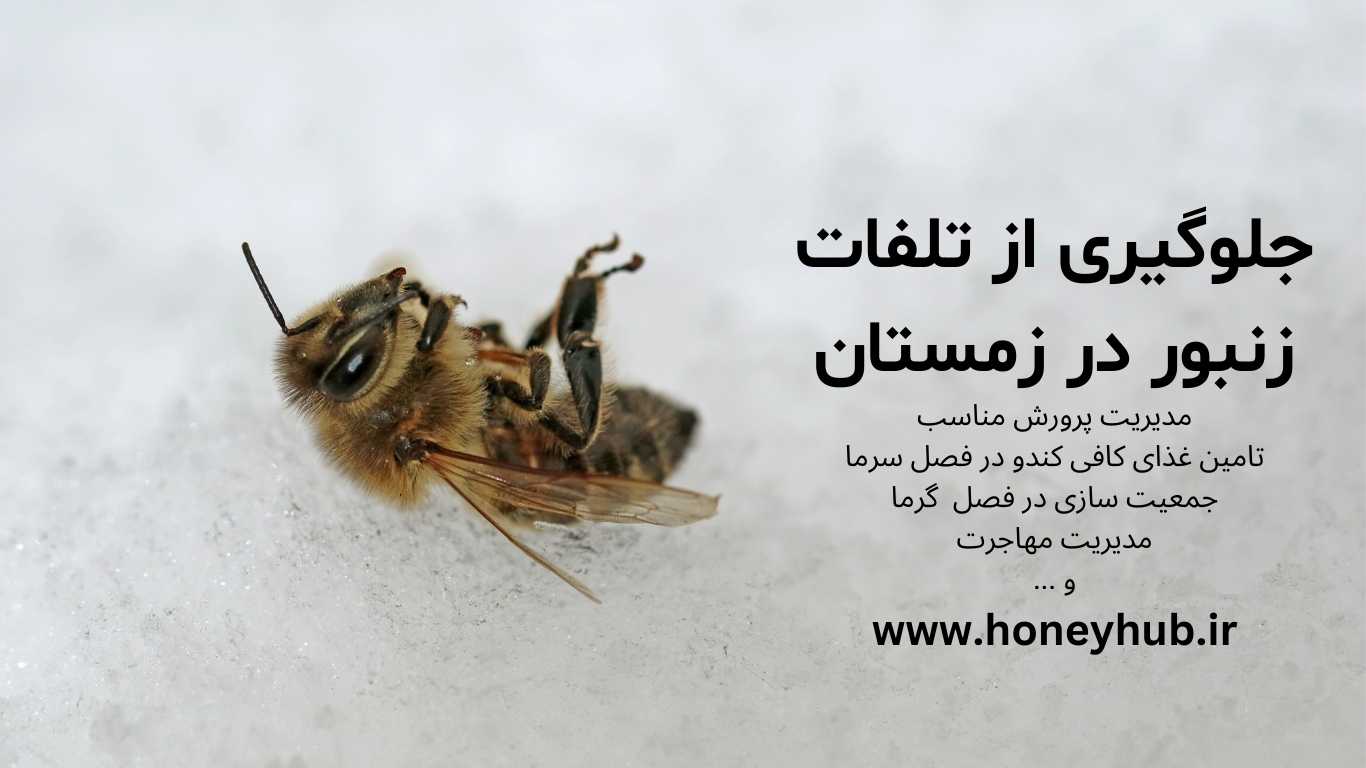
Reasons for Honeybee Loss in Cold Seasons
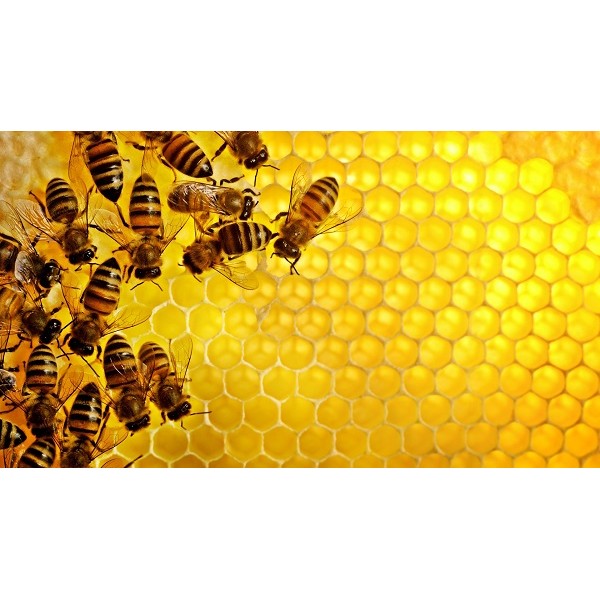
Cold weather is usually accompanied by plant dormancy and leaf fall. In mountainous or cold regions, autumn and winter are known as the death of forests and pastures. Under these conditions, honeybees store their food in hexagonal wax cells based on their experience.
Cold weather on one hand, and lack of food in nature on the other, are two factors creating stress for honeybees. Bees need a balanced diet for good wintering.
This food is usually honey along with some pollen from various flowers. The queen is the stabilizing factor for the order and discipline of the large hive population. For any reason if the queen faces challenges, the hive is also severely damaged.
The queen needs royal jelly for nutrition. This jelly is usually produced by young bees. To produce new bees, there must also be sufficient stored honey and pollen in the hive.
Below, we mention stress reduction strategies, proper hive management, and migration to increase the efficiency and productivity of your hives.
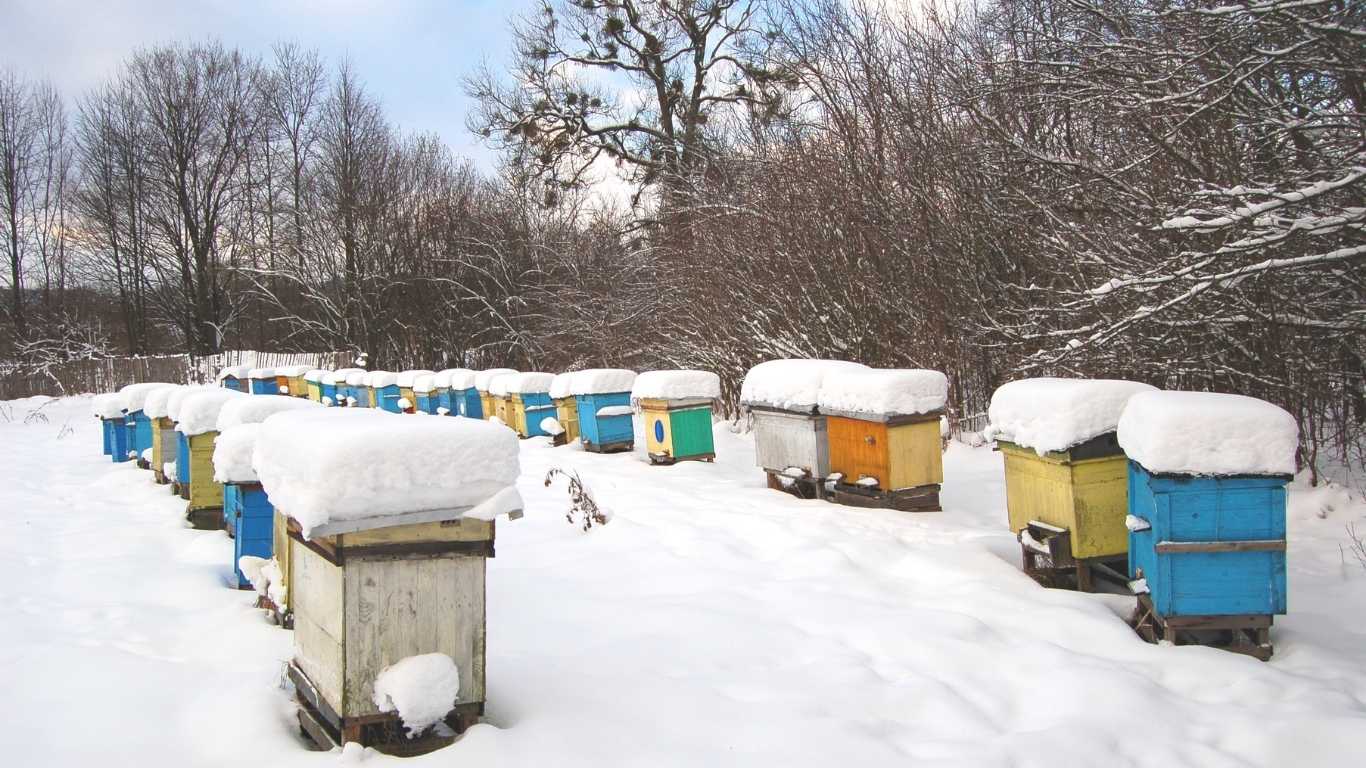
Methods for Prevention and Control of Losses in Cold Seasons
In cold seasons, controlling cold, compacting population, controlling pests and diseases, anticipating sufficient honey and pollen storage, manual feeding, hive insulation, proper hive arrangement are a set of actions that will help you with successful wintering.
Storing Sufficient Food for the Hive
Food contains nutrients including energy, protein, carbohydrates, fats, vitamins, minerals, etc. Food is essential for animal health, including honeybees.
Flying activity, guarding, cleaning and hive maintenance, collecting nectar and pollen, honey production, pollen production, venom production, royal jelly production - all depend on food supply.
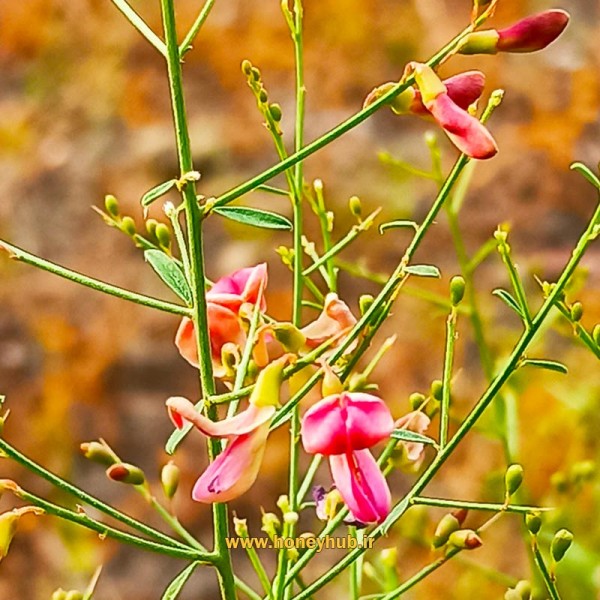
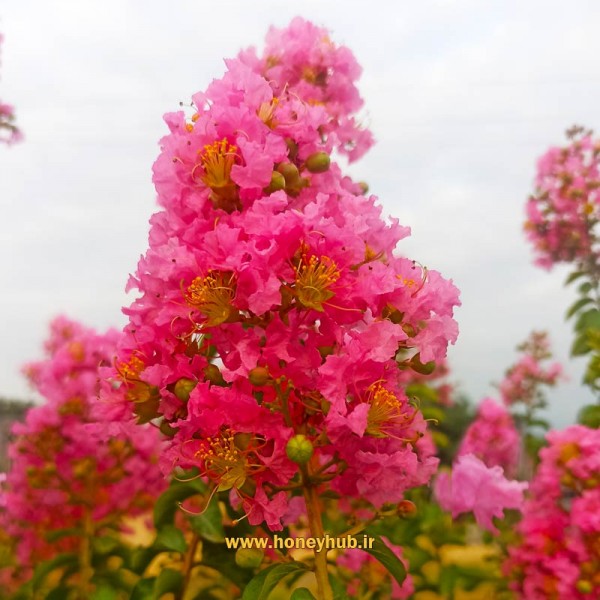
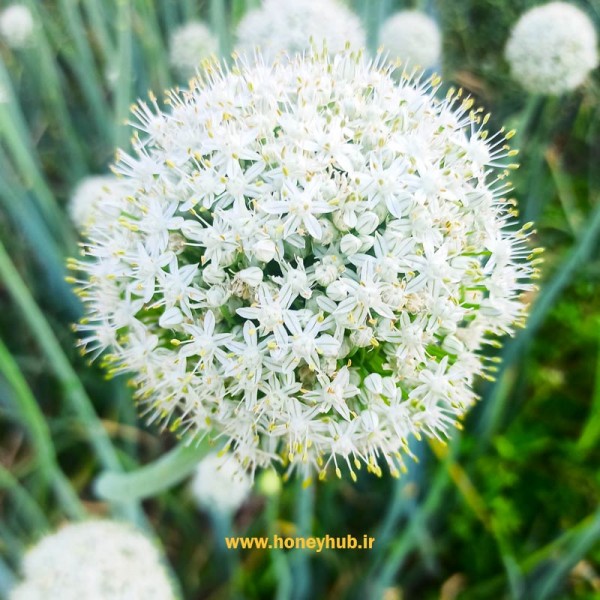
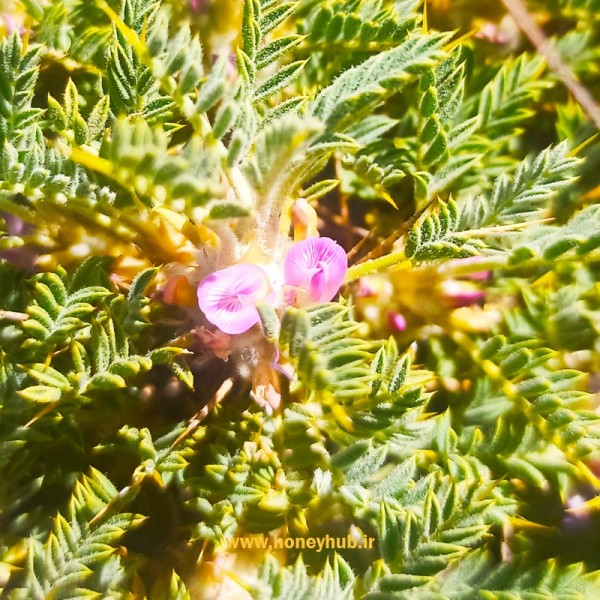
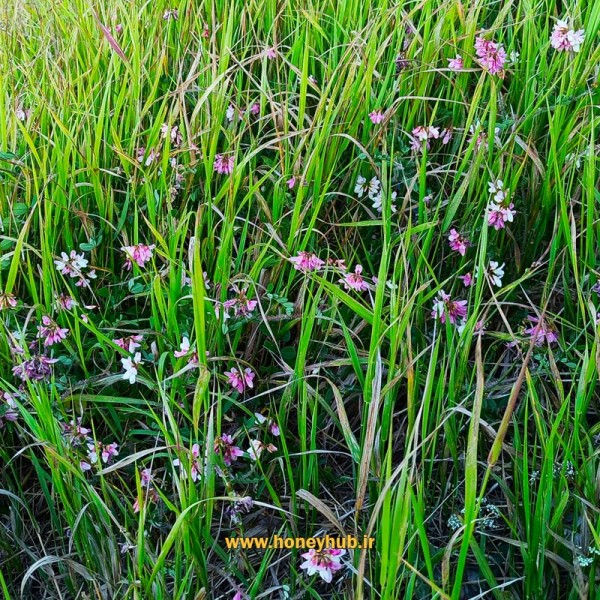
In nature, flowers have this important responsibility. Usually, flowers offer both nectar and pollen to their guests. By collecting pollen and nectar, bees give the gift of pollination, fertility, and fruit or crop production to plants.
Nectar and pollen usually contain the necessary nutrients for hive health, but we humans challenge them by harvesting the hive's food.
The Honey Hub research and development team believes that no food is as effective as natural honey and frames containing flower pollen for the successful continuation of hive life. Our recommendation is to leave at least two frames of honey for winter food for a ten-frame hive.
The result of our over 20 years of experience is that nothing can replace natural honey and pollen. Some of our colleagues recommend supplementary feeding and leave no honey for the bees. This causes malnutrition and reduced queen fertility, reducing its economic lifespan.
The result of our past experiences indicates that the foods fed to honeybee hives in Iran are mainly glucose or fructose sources that provide easy usability in the hive for beekeepers.
If you use these materials for wintering with hive stimulation; definitely don't neglect flower pollen. However, the health of flower pollen must also be ensured. Don't buy pollen from beekeepers who have had losses due to disease or pests.
Our emphatic emphasis is that bee food must be clean and free of contamination. Contaminations will cause losses for you.
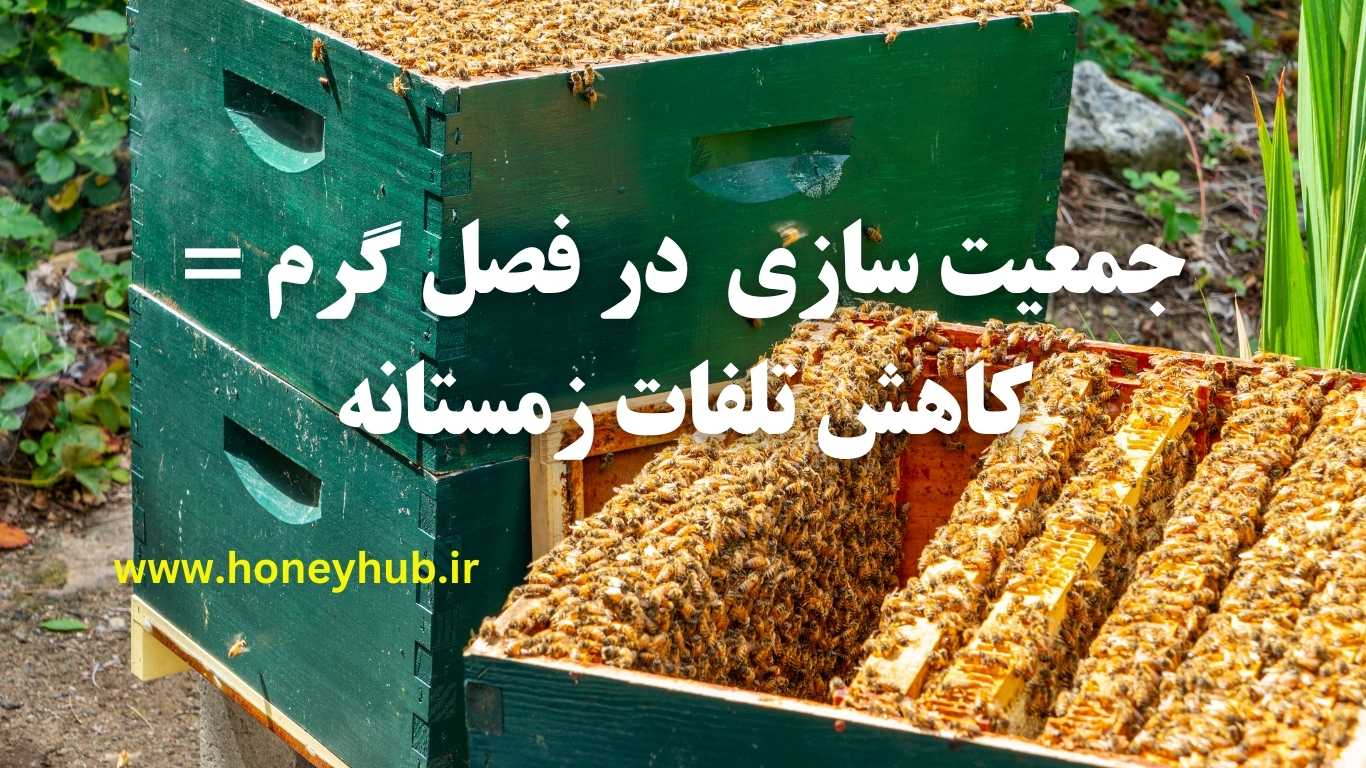
Population Building in Warm Season
The most important factor for hive survival in winter is having a good population. Strong hives usually reach the next season without problems.
The problem starts when we face baby hives or hives that don't have a good population. Usually, honey from baby hives should not be harvested. If there is more than two frames of honey, honey harvesting can be done.
One of the important points in honey harvesting is attention to brood frames and day-old eggs. Usually, good queens have good populations and lay eggs regularly. However, in some cases, irregular laying may occur.
Usually, success is a chain of smart actions. With smart actions, you can achieve success without worry.
In foraging and field season, the first priority of an experienced beekeeper is population increase. In the first months of spring in northern regions and in winter in southern provinces, population production is the priority, not honey.
This mistake should not be made. This action targets the health of your hives. Please head toward population building in the first months of flower blooming and nectar flow. So you won't face hive loss challenges in autumn or winter.
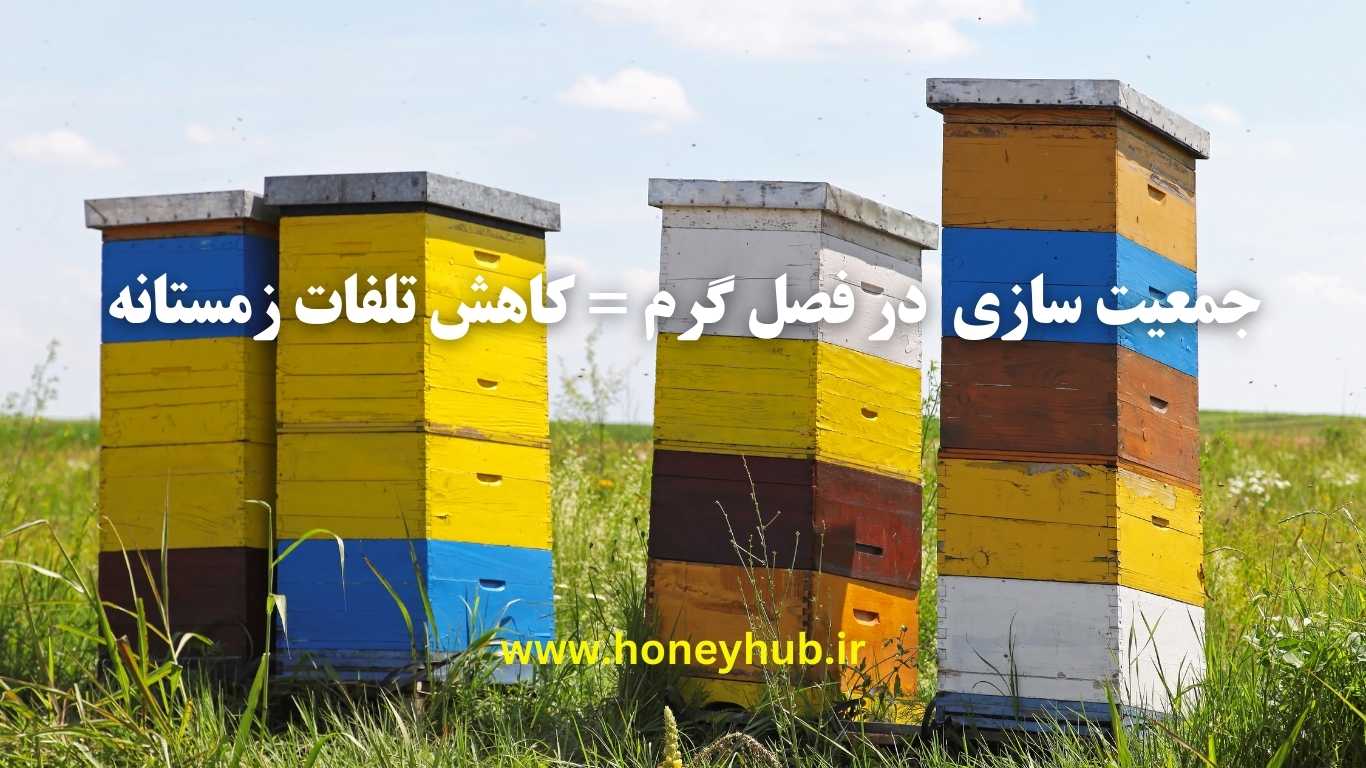
Merging Weak Hives
Weak hives have little chance of wintering. Harsh winter cold along with limited queen food (royal jelly) reduces your chances.
Usually, before the start of cold weather, benefit from hive merging. There are multiple methods for merging hives. Use these methods to preserve your population. This work increases your chances for successful wintering. Refer to the post "Hive Merging Methods" for hive merging.
An important point to consider in hives with small populations is to fill the empty hive space with bulky hygienic items such as newspaper, cardboard, etc., so the hive doesn't get cold.
Proper Hive Placement
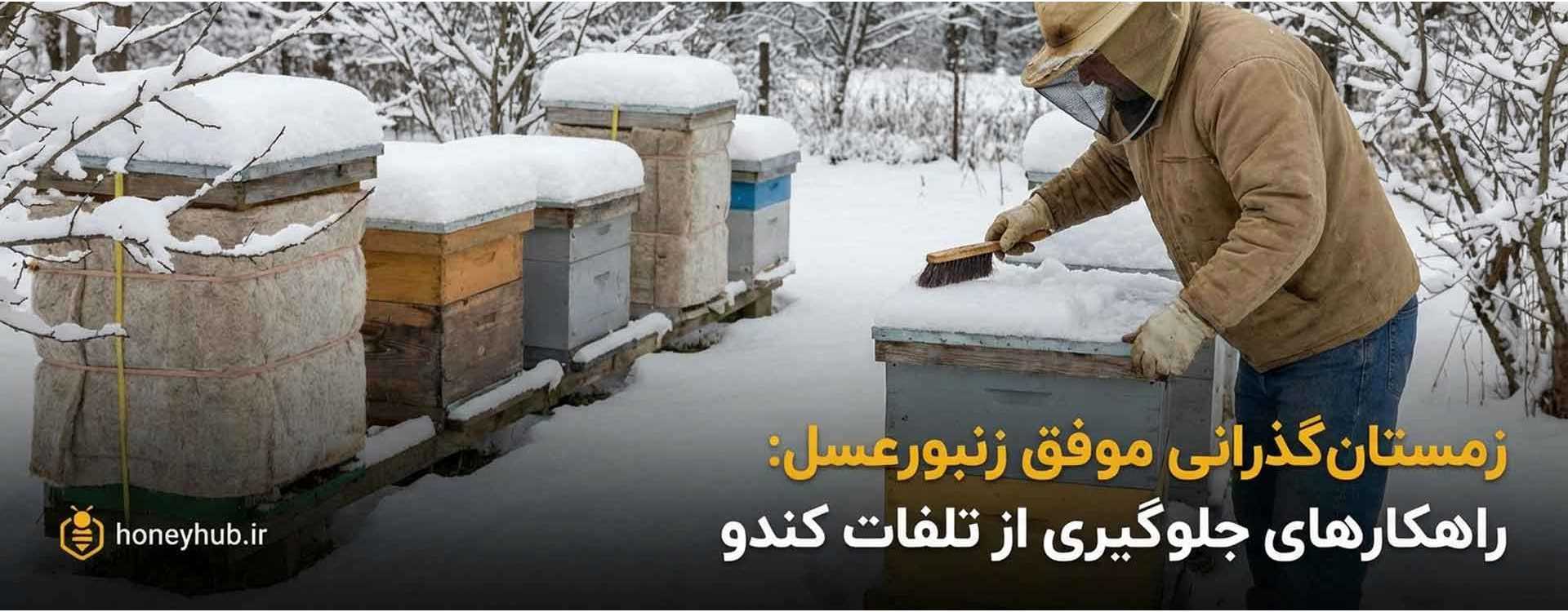
Placing hives in a suitable location facing the sun is very important. Don't place hives facing the wind. There must definitely be a barrier or windbreak in front of the hives.
Wind blowing into the hive, while increasing the risk of overturning, reduces the temperature of the bee cluster center inside the hive. Winds are usually colder in cold seasons. And placement in areas away from wind or opposite the wind has high priority.
Be careful in placing plastic hives in windy areas. These hives are usually light and move with the wind. Our recommendation is that the bottom of these hives be covered with lead or their tops be covered with heavy materials.
Our general recommendation is not to migrate to windy areas. Windy areas prevent bees from working in nature.
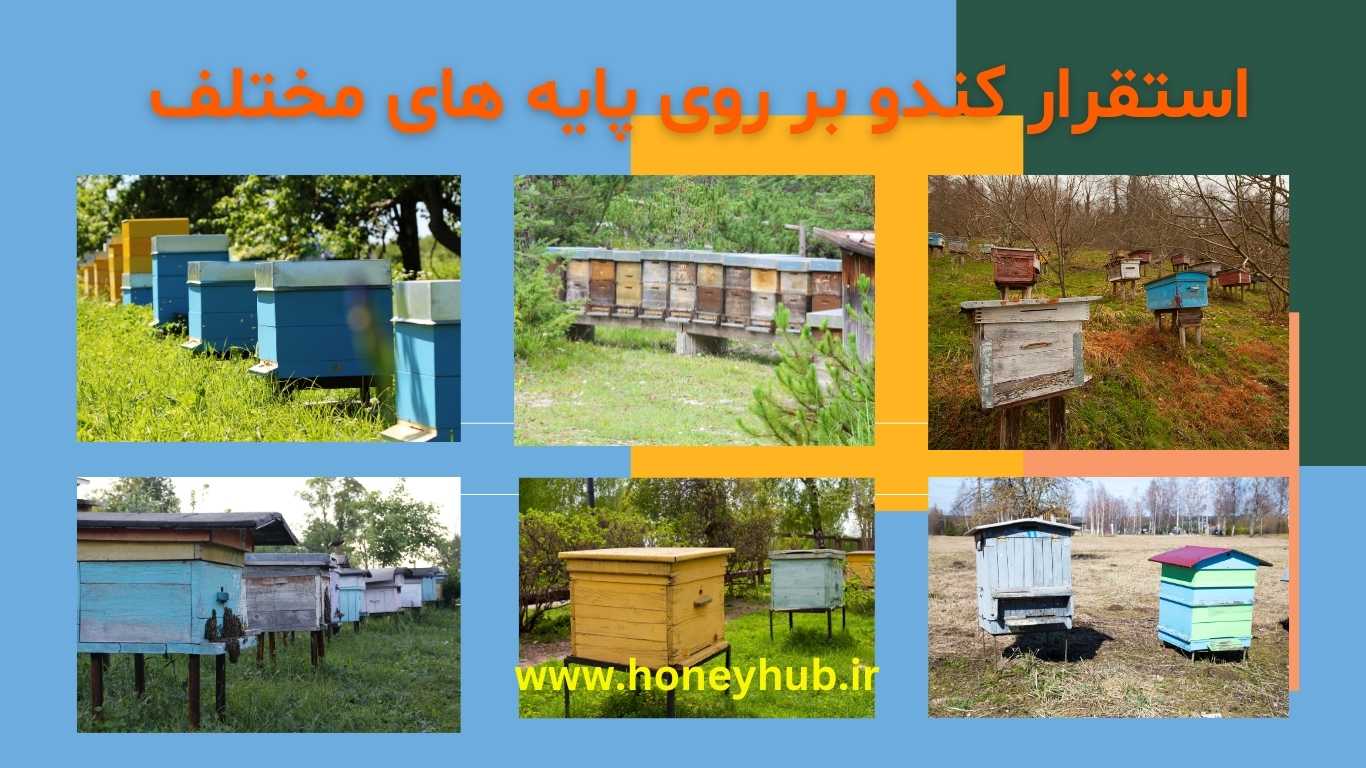
Generally, honeybee hives should be placed at a suitable height from ground level. Some beekeepers use tree trunk wood as a base.
Real beekeepers care about the environment and forests. They don't use this wrong method. Tree wood, while rotting over time, also damages forests.
Using brick or plastic bases is suitable for this work. Of course, rust-resistant metal bases will also benefit the beekeeper in the long term.
Note: Don't leave empty hives in the rain or open air in winter. Some beekeepers, thinking that the hives are well painted or have good tin covering or the hives are made of plastic, leave them in the open air. This, while damaging the hives, also disrupts your focus. Store hives in a dry, covered place by removing wax and closing the flight entrance.
Migration to Warm Regions
Iran is a vast country with many territorial capabilities. We can experience cold, warm, and temperate weather together in every season.
Considering the unified territorial governance, which is considered one of the strengths for beekeeping, agricultural and horticultural production as well as honey production can be increased.
Pollination increases the production of agricultural and horticultural products by 30 to 90 percent. This important matter in this vast land with different climates is a very valuable opportunity for beekeepers to play a role in food security.
Iran's diverse climate creates this opportunity for beekeepers to migrate to southern regions in cold seasons, build up their hive populations, and with extraordinary readiness, venture against the nectar flow of northern regions.
If you migrate to southern regions, you won't worry about cold autumn or winter temperatures. However, for travel to these regions, pay attention to cold or rainy nights in these areas.
Considering the low vegetation in these areas, definitely pay attention to this point during migration so you're not in the path of floods with long-term patterns.
We hope that with increased costs incurred with the cooperation of farmers and gardeners in southern regions, Iranian beekeepers and northern regions of Iran can play a role in food security.

Mite Control
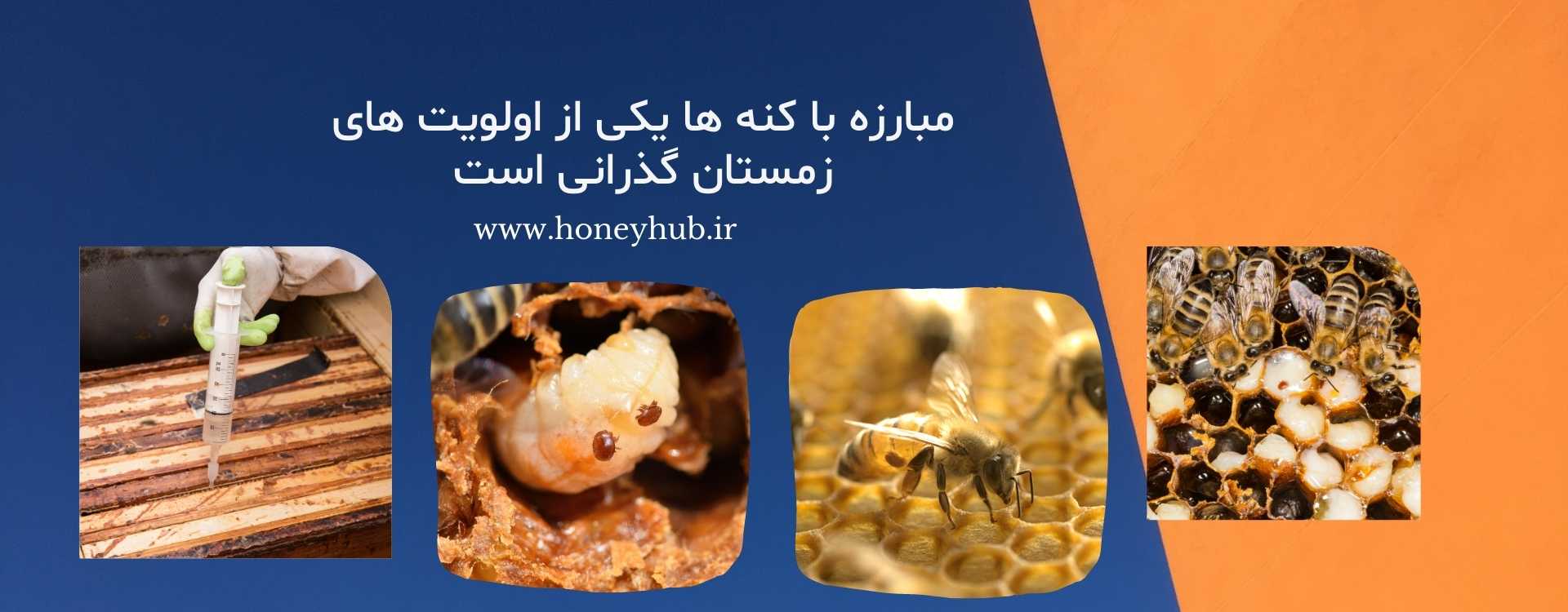
Mites, especially Varroa mites, are among the main enemies of honeybees. Most mite damage is to older larvae and bee pupae, especially drone larvae.
Varroa mites are parasites of young honeybee larvae. They spend their life path inside sealed cells, and Varroa mites emerge from cells in adulthood.
When infestation is severe, bee larvae die or deformed bees are born. Varroa mites prefer drone larvae to worker larvae.
Honeybee hives must be managed to combat mites. Mites don't distinguish between summer and winter. You must think about them.
Read the article "Successful Mite Control Strategies" for mite control. If you don't think about it, you'll face a fundamental challenge in winter. It won't let go of your skirt.
Our recommendation is to save your hives by choosing an economical and appropriate method.
Avoiding Unnecessary Hive Inspections
Hive inspection in winter or cold seasons should only be done during warm, sunny hours. Please don't be fooled - not every sunny weather is suitable for hive inspection. The air must also be warm.
Cold sunny weather destroys the formed bee cluster and threatens hive health. Be kind to your hive. They depend on you and your decisions.
If not necessary, don't inspect the hive. Attention to providing supplemental food consisting of honey and flower pollen as well as multivitamins will help you.
Note: If you're forced to inspect the hive in winter, considering that propolis is removed and the hive becomes unprotected, we recommend the inspection be very quick and cover the frames completely with clean muslin cloth.
Note: Considering that bees sting a lot in winter, be completely careful that the hive door is completely latched. Don't leave the bee alone.
Strong recommendation: Don't inspect the hive in winter.



Latest comments