Does your mozzarella refuse to stretch or just burn? The secret is science. From "pasta filata" to the crucial role...
The Ultimate Botanical Atlas for Beekeepers in Northern Iran: A Complete Guide to Flora, Migration, and Apiary Management
A Botanical Atlas for Beekeepers of Northern Iran
Flora, Migration Calendar, and Apiary Management in Gilan, Mazandaran, and Golestan
Introduction: The Rich Beekeeping Landscape of Northern Iran
The northern strip of Iran, boasting three distinct ecological regions—the Caspian coastal plains, the unique Hyrcanian forests, and the lush slopes of the Alborz mountains—provides one of the richest and most diverse habitats for the country's beekeeping industry. This geographical diversity creates the foundation for a complex and dynamic system of migratory beekeeping, allowing beekeepers to move their colonies throughout the different seasons to capitalize on various nectar flows and produce honeys with unique flavors, aromas, and properties. This atlas is designed not only as a botanical guide but also as a strategic tool for planning migration, forecasting production, and sustainably managing apiaries in the provinces of Gilan, Mazandaran, and Golestan.
At the heart of this ecosystem is the native Iranian honey bee, Apis mellifera meda, a subspecies that has adapted over thousands of years to the region's climate and vegetation. However, this valuable genetic resource faces a serious challenge from the unregulated importation of non-native queens and subsequent cross-breeding, which leads to genetic erosion, reduced resistance to local diseases and pests, and decreased colony adaptability to the region's specific conditions. Therefore, a thorough understanding of the regional flora and reliance on the native bee subspecies are two fundamental pillars for the long-term sustainability of this industry. By providing detailed information on key plants, flowering calendars, and regional challenges, this guide helps beekeepers make more informed decisions with a deeper understanding of their environment, paving the way for a sustainable and productive future.
Botanical Atlas of Key Plants
In this section, we introduce the most important nectar- and pollen-producing plants of Northern Iran in detail. The following table provides a comprehensive summary of these plants for quick comparison and planning.
| Common Name (Local Name) | Scientific Name | Plant Family | Primary Distribution Areas | Approximate Flowering Period | Value to Bees | Key Honey Characteristics |
|---|---|---|---|---|---|---|
| Citrus (Bahar Narenj) | Citrus spp. | Rutaceae | Plains, Agricultural | April | Nectar: Excellent / Pollen: Medium | Light yellow color, strong aroma, medium crystallization |
| Clover | Trifolium spp. | Fabaceae | Plains, Agricultural, Mountain | June - October | Nectar: Excellent / Pollen: Good | Very light color (white), mild flavor, rapid crystallization |
| Alfalfa | Medicago sativa | Fabaceae | Plains, Agricultural | Spring - Fall | Nectar: Very Good / Pollen: Good | Straw-yellow color, mild flavor, rapid crystallization |
| Canola (Rapeseed) | Brassica napus | Brassicaceae | Plains, Agricultural | April - May | Nectar: Very Good / Pollen: Very Good | - |
| Linden (Zirfon) | Tilia spp. | Malvaceae | Forest | June - July | Nectar: Very Good / Pollen: Low | Greenish-yellow color, strong, menthol-like taste |
| Caspian Locust (Liliki) | Gleditsia caspica | Fabaceae | Forest | May - June | Nectar: Good / Pollen: Good | Part of forest wildflower honey |
| Maple | Acer spp. | Sapindaceae | Forest | May | Nectar: Very Good / Pollen: Low | Lemony color, mild flavor |
| Alder Buckthorn (Arbeh) | Frangula alnus | Rhamnaceae | Forest | Long period (Spring-Summer) | Nectar: Good / Pollen: Good | Dark color, strong and woody taste |
| Common Ivy (Papital) | Hedera helix | Araliaceae | Forest | September - November | Nectar: Very Good / Pollen: Medium | Spicy, medicinal taste, very rapid crystallization |
| Black Locust | Robinia pseudoacacia | Fabaceae | Forest, Ornamental | Early June | Nectar: Very Good / Pollen: Medium | Colorless and clear, mild flavor, very slow crystallization |
| Thyme | Thymus spp. | Lamiaceae | Mountain | From June onward | Nectar: Very Good / Pollen: Good | Amber to red color, spicy and medicinal flavor |
| Milkvetch | Astragalus spp. | Fabaceae | Mountain | May - June | Nectar: Good / Pollen: Good | Amber-yellow color, mild flavor, thick |
| Lemon Balm | Melissa officinalis | Lamiaceae | Mountain, Forest | Summer | Nectar: Good / Pollen: Medium | Amber-yellow to dark color |
| Sage | Salvia officinalis | Lamiaceae | Mountain | Summer | Nectar: Very Good / Pollen: Low | White and light color, herbal taste |
| Blackberry/Raspberry | Rubus spp. | Rosaceae | Plains, Forest | May - July | Nectar: Very Good / Pollen: Good | - |
| Christ's Thorn Jujube (Siah Telo) | Paliurus spina-christi | Rhamnaceae | Forest | April - May | Nectar: Very Good / Pollen: Low | Mild flavor, slow crystallization |
| Camelthorn (Taranjebin) | Alhagi spp. | Fabaceae | Mountain, Arid regions | May - June | Nectar: Very Good / Pollen: Medium | Light color (white), mild flavor, rapid crystallization |
| Hawthorn (Valik) | Crataegus spp. | Rosaceae | Forest | Spring | Nectar: Medium / Pollen: Medium | - |
| Loquat | Eriobotrya japonica | Rosaceae | Plains, Ornamental | Fall - Winter | Nectar: Good / Pollen: Good | Critical food source in cold seasons |
| Eryngo (Booqnaq) | Eryngium spp. | Apiaceae | Mountain | July - August | Nectar: Very Good / Pollen: Good | Dark color, warming properties, suitable for diabetics |
| Iranian Borage | Echium amoenum | Boraginaceae | Mountain (Alborz) | Spring - Summer | Nectar: Very Good / Pollen: Good | Greenish-yellow color, calming properties |
1.1: Plants of the Coastal Plains and Agricultural Zones
The plains and agricultural lowlands of northern Iran host the first major nectar flows of the spring. These resources are vital for the growth and strengthening of colonies after overwintering and provide the first commercial honey crop of the year. However, these areas also come with their own unique challenges.
- Citrus (Citrus spp.): The fragrant blossoms of citrus trees like orange, tangerine, and lemon are the main source of the first commercial nectar flow in spring. The resulting honey is highly popular and economically valuable due to the exceptional aroma and flavor of orange blossoms.
- Clover (Trifolium spp.): Clover, with the scientific name Trifolium, is one of the most important forage and pasture plants, producing abundant nectar.
- Alfalfa (Medicago sativa): Alfalfa, scientifically known as Medicago sativa, is a forage crop of extremely high value for beekeeping, producing high-quality nectar and pollen.
- Canola (Brassica napus): Canola, with the scientific name Brassica napus, is one of the earliest and most important sources of nectar and pollen in the spring, with its flowering usually starting concurrently with or slightly before citrus.
- Fruit Trees (Rosaceae family): Stone and pome fruit trees such as cherry, sour cherry, apple, pear, and wild plum provide the first sources of pollen and nectar in late winter and early spring.
- Loquat (Eriobotrya japonica): This evergreen tree, widely planted in the gardens of the north, is a strategic and unique food source for honey bees. Unlike most fruit trees, loquat blooms from late fall to mid-winter.
Dependence on the agricultural pastures of the plains is a double-edged sword. On one hand, these areas offer high economic potential by providing concentrated and massive nectar flows (like citrus and canola). On the other hand, due to the widespread use of pesticides, especially during the flowering season, these same areas have become one of the most hazardous environments for honey bees.
1.2: Plants of the Hyrcanian Forests
The dense and humid Hyrcanian forests, a designated World Heritage site, host the main summer nectar flow in northern Iran. The honey produced in these areas, often known as Forest Honey, is a multifloral product from the nectar of several unique trees, which gives it a complex and special flavor and aroma.
- Linden (Tilia spp.): The linden tree, also known by local names such as Zirfon, Kaf, or Kop, is the most iconic and important source of nectar in the northern forests.
- Caspian Locust (Gleditsia caspica): This tree, with the scientific name Gleditsia caspica and English name Caspian Locust, is one of the four main sources of nectar for producing "Forest Honey" in Gilan.
- Maple (Acer spp.): The maple tree is another important source of nectar in the northern forests, blooming in May.
- Alder Buckthorn (Frangula alnus): This shrub, also known as black alder, has the scientific name Frangula alnus.
- Common Ivy (Hedera helix): The ivy plant, with the scientific name Hedera helix, plays a vital role in the survival of honey bee colonies in northern Iran.
- Black Locust (Robinia pseudoacacia): Black Locust, scientifically named Robinia pseudoacacia, is an ornamental tree planted in gardens, parks, and on the edges of northern forests.
- Christ's Thorn Jujube (Paliurus spina-christi): This thorny shrub, known by many local names such as Ghare Tikan and Boortikan, is one of the valuable native plants of the northern forests.
- Hawthorn (Crataegus spp.): Hawthorn, with various species growing in the Hyrcanian forests of northern Iran, is another member of the Rosaceae family that serves bees in the spring.
1.3: Plants of the Mountain and Highland Pastures
The highland pastures and slopes of the Alborz mountains are a treasure trove of medicinal and aromatic plants, which are the source for producing some of Iran's highest-quality and most valuable honeys. Migrating to these areas in mid-summer marks the peak of the beekeeping season in the north.
- Thyme (Thymus spp.): Thyme is one of the most important medicinal and nectar-producing plants in mountainous regions. Its honey has a very high commercial value due to its therapeutic properties and unique, spicy flavor.
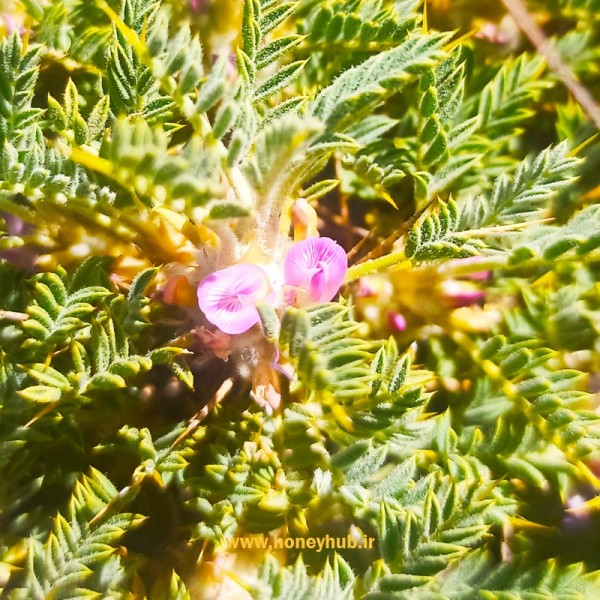
- Milkvetch (Astragalus spp.): Milkvetch, with the scientific name Astragalus, is one of the main and most abundant nectar-producing plants in the mountainous pastures of Iran.
- Camelthorn (Alhagi spp.): Although camelthorn is mostly known as a plant of arid and desert regions, it deserves special attention due to its extraordinary importance in Iranian beekeeping.
- Eryngo (Eryngium spp.): This thorny, medicinal plant is one of the most valuable nectar sources in mountain pastures, especially on the slopes of the Zagros and parts of the Alborz.
- Iranian Borage (Echium amoenum): This medicinal plant, native to the Alborz slopes, is another treasure of the highland pastures.
- Mint Family (Lamiaceae): This plant family, which includes a large number of aromatic and medicinal plants, forms the backbone of the highland pastures in the summer.
- Aster Family (Asteraceae): This large and diverse family is another main pillar of the vegetation in the northern highland pastures, and its species are important sources of nectar and especially pollen.
Operational Calendar for Beekeepers in Northern Iran (Migration Calendar)
This section transforms the botanical data from the first part into a strategic, month-by-month operational guide for beekeepers in Northern Iran. Success in this region heavily depends on precise migration timing and coordination with natural flowering cycles.
| Month | Colony Status & Bee Activity | Main Nectar & Pollen Sources | Key Beekeeper Actions |
|---|---|---|---|
| Late Feb - April | Queen starts laying, population growth | Plains: Pussy willow, coltsfoot, fruit trees, canola | Quick inspection, stimulative feeding, prepare for migration |
| May | Rapid population growth, initial nectar storage | Plains: Peak citrus bloom, black locust, blackberry | Migrate to citrus orchards, add honey supers |
| June | Peak population, tendency to swarm | Forest: Peak linden, Caspian locust bloom / Plains: Clover | Migrate from plains to forest, harvest spring honey |
| July | Continued honey storage, reduced egg-laying | Forest: End of linden / Mountain: Start of thyme | Migrate to highlands, harvest linden honey |
| August | Focus on highland nectar, population decline | Mountain: Peak bloom of medicinal plants | Set up at high altitudes, monitor health |
| September | Sharp decline in nectar, risk of robbing | Mountain: End of bloom / Forest: Start of ivy | Harvest summer honey, begin fall feeding |
| October - November | Brood rearing stops, winter cluster forms | Forest: Peak ivy bloom | Return to wintering yards, winter feeding, mite treatment |
| December - February | Overwintering, consuming stores | Almost none | Protect hives from cold and moisture |
Apiary Management and Regional Challenges
3.1: Pasture Enhancement: Recommended Plantings
Targeted planting of complementary plants around apiaries can fill the nectar gaps between major natural flows. This action not only reduces the need for supplemental feeding with sugar syrup, lowering costs, but also helps to strengthen colonies by providing a diverse diet.
3.2: Identifying and Mitigating Threats to Bee Colonies
Beekeepers in northern Iran face a range of natural and human-made threats that require proper management for the survival of the apiary.
| Threat Type | Name (Scientific/Local) | Characteristics & Identification | Primary Risk to Colony | Management & Prevention Strategy |
|---|---|---|---|---|
| Poisonous Plant | Oleander (Nerium oleander) | Evergreen shrub with pink or white flowers | Nectar and pollen are toxic and deadly to bees and humans | Completely avoid placing hives within flight range |
| Chemical Hazard | Pesticides | Used in orchards and fields, especially in spring | Mass death of worker bees, colony collapse | Coordinate with farmers, temporary migration, use bee-safe pesticides |
| Invasive Species | Kudzu, Moth vine, Japanese honeysuckle | Fast-growing non-native plants that choke out native flora | Reduced pasture biodiversity, long-term nutritional deficiency | Select healthy and diverse pastures, do not rely on invasive nectar sources |
| Pest | Varroa Mite (Varroa destructor) | Small reddish-brown mites on the bodies of bees | Severely weakens colony, transmits viruses, hive collapse | Regular monitoring, use of approved treatment methods |
| Disease | Nosema, Fungal diseases (Chalkbrood) | Signs of dysentery, lethargic bees, mummified larvae | Maintain hive hygiene, proper ventilation, strengthen colony |
Conclusion
Our analysis shows that success in the beekeeping industry of northern Iran is the result of a deep understanding of a dynamic, three-way relationship between geography, vegetation, and the management calendar. The honey produced in this region is the product of a complex and unique ecosystem, and its quality and diversity are a direct reflection of the health and richness of that ecosystem. From the early nectar flow of citrus in the plains to the medicinal nectar of thyme in the highlands, each product tells the story of a specific habitat.
The future of beekeeping in this region depends on shifting from the mindset of a mere resource user to that of an "ecosystem guardian." By intelligently selecting healthy and diverse pastures, planting complementary flora to fill nectar gaps, and consciously avoiding areas contaminated with pesticides and invasive plants, beekeepers play a vital role in preserving biodiversity. This approach not only leads to a higher-quality product with greater added value but also links the economic sustainability of their business to the environmental health that is its foundation. By adopting this comprehensive perspective, the beekeeping industry of northern Iran can become a model of sustainable production and coexistence with nature.

Leave a comment
Log in to post comments
Related posts
Honey Hub, a treasure trove of nature's amazing products
Why does pollen improve your health?


Latest comments